The clean energy transition is creating thousands of jobs in Indigenous communities across Canada. Indigenous youth deserve clear pathways to these careers. We are building a program to make that happen.
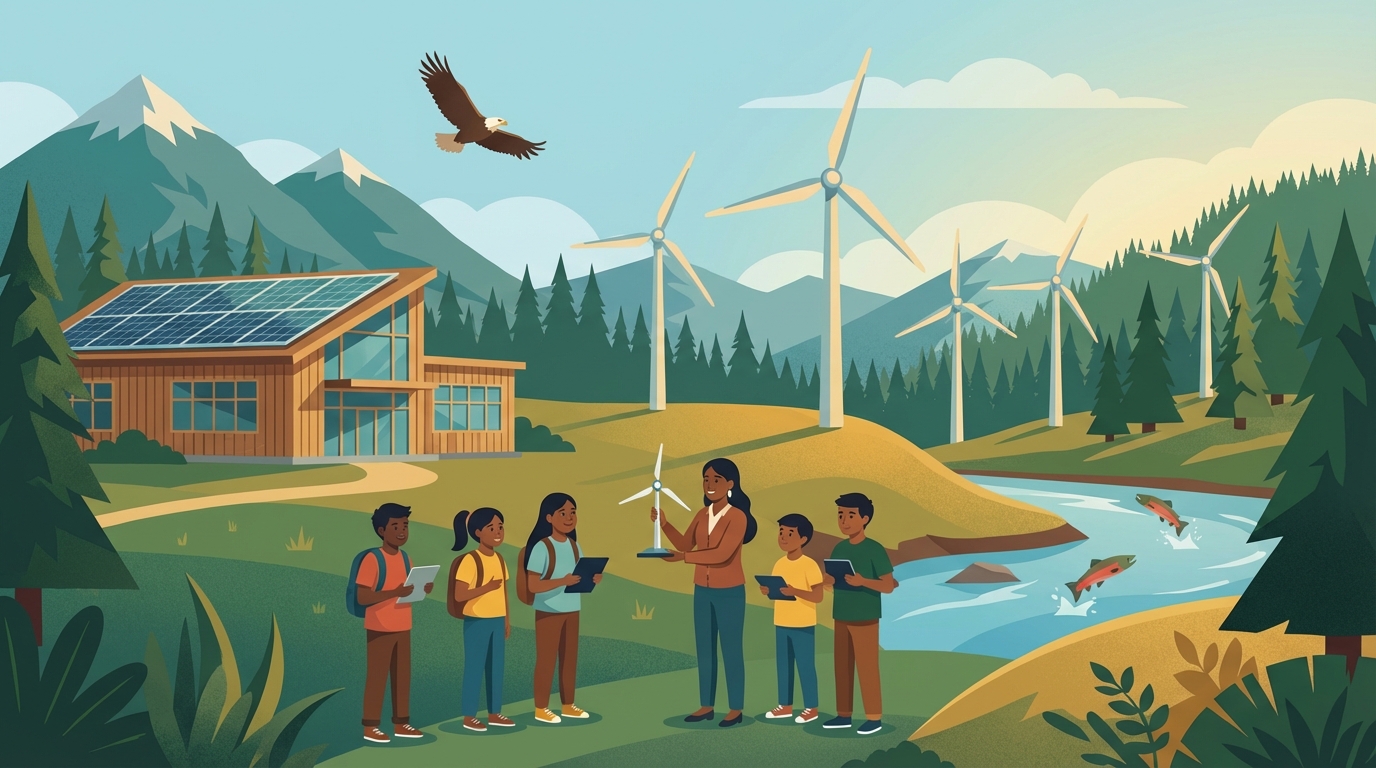
Federal clean energy investment is at historic levels. NRCan's Clean Energy for Rural & Remote Communities (CERRC), Indigenous Services Canada infrastructure funding, the Smart Renewables & Electrification Pathways program, and provincial efforts like CleanBC and IESO are directing billions toward clean energy deployment. This creates a massive demand for skilled workers.
At the same time, Indigenous communities in Canada face some of the highest youth unemployment rates in the country. The disconnect is clear: there is enormous demand for clean energy workers and an untapped workforce of young people in the communities where many of these projects will be built.
This is not a coincidence to observe. It is a gap to close. Intentional investment in Indigenous youth workforce development creates economic opportunity, strengthens energy sovereignty, and keeps talent in communities that need it most.
Our program meets young people where they are and builds a pathway from first exposure through career placement. Each pillar addresses a different stage of development, and together they create a complete pipeline from awareness to employment.
Most Indigenous youth have never seen a solar installation up close or met someone who works in clean energy. Before we can train the next generation, we need to show them what is possible. Career awareness programs introduce high school students to the breadth of clean energy careers, from hands-on technical work to project management to policy and leadership roles.
Classroom sessions covering the full landscape of clean energy careers. Solar, wind, battery storage, EV infrastructure, energy management, and the policy roles that shape it all.
Organized visits to solar installations, EV charging stations, Indigenous energy offices, and utility operations centers. Seeing real infrastructure makes career possibilities tangible.
Students spend time alongside working professionals in Indigenous energy departments. They see the day-to-day realities and learn what skills and education different roles require.
Hands-on learning through partnerships with existing STEM education programs. Students build small solar projects, program energy monitoring systems, and work with real equipment.
Indigenous energy directors, project managers, and entrepreneurs share their career journeys. Hearing from people who look like them and come from similar communities changes what students believe is possible.
Career awareness creates interest. Technical training builds employable skills. We partner with community colleges, trade programs, and industry certification bodies to create accessible pathways to credentials that employers recognize and value. Every certification we target has documented demand in the clean energy sector.
Partnerships with NABCEP-aligned training programs for photovoltaic installation certification. Solar is the fastest-growing energy sector on Indigenous lands, and certified installers are in high demand.
As Indigenous communities deploy EV charging infrastructure through programs like EV Essentials, they need technicians who can install, maintain, and troubleshoot charging equipment. This is a career that did not exist five years ago and will be in demand for decades.
Foundational electrical training that opens doors across the clean energy sector. From solar wiring to building energy systems, electrical skills are the common thread through most clean energy careers.
EV charging installation skills are increasingly required for projects funded by NRCan's Zero Emission Vehicle Infrastructure Program (ZEVIP) and provincial EV deployment initiatives. In Canada this means a Red Seal Construction or Industrial Electrician working to Section 86 of the Canadian Electrical Code (CSA C22.1) — with the cross-border EVITP (Electric Vehicle Infrastructure Training Program) certification available to Red Seal electricians through IBEW training centres for projects that require it. We prepare students for these credentials and the on-the-job competencies that lead directly to employment on Indigenous-led charging installations.
Modern clean energy systems are software-driven. We teach students how AI and data analytics are used in energy management, predictive maintenance, and grid optimization, skills that elevate technicians into higher-value roles.
We work with First Nations colleges, polytechnics, and community colleges near Indigenous communities to develop or expand clean energy certificate programs. Accessible, local education removes the barrier of relocating for training.
Training without employment is a broken promise. The internship pipeline connects trained youth directly to real work on Indigenous clean energy projects. These are paid positions with defined pathways to permanent employment. Every internship is structured to build both skills and professional networks that support long-term career growth.
Real compensation for real work. Interns contribute to active solar installations, EV charging deployments, energy audits, and project management. Pay removes the financial barrier that keeps many Indigenous youth from unpaid opportunities.
Every internship has a defined career pathway. Interns know from day one what skills and milestones lead to a permanent role. Indigenous energy departments and contractors commit to hiring goals as part of the program.
Each intern is paired with an experienced Indigenous energy professional who provides guidance on technical skills, workplace navigation, and career planning. Mentors are from Indigenous communities, providing culturally grounded support.
Internship stipends are funded through programs like the Indigenous Skills and Employment Training (ISET) program, ESDC workforce development funding, Indigenous capacity-building grants, and industry partnerships. This removes cost barriers for First Nations that want to participate but lack discretionary budget.
Post-internship support includes resume building, interview preparation, and direct introductions to employers in the clean energy sector. We track placement outcomes and follow up at 6 and 12 months to ensure long-term success.
Indigenous clean energy projects are most successful when managed by people who understand the community, the governance, and the land. Investing in youth is investing in long-term energy independence.
Every dollar spent on outside consultants is a dollar that could build local capacity. When Indigenous members hold the technical knowledge, the community retains control over its energy future. Outside expertise should supplement Indigenous capacity, not replace it.
Solar installations have 25-to-30-year lifespans and require ongoing operations and maintenance. EV charging networks expand every year. These are not temporary construction jobs. They are long-term careers that provide stability and growth for workers and their families.
Youth who build careers in their communities become the next generation of Indigenous leaders. They bring technical knowledge to council decisions, strengthen institutional capacity, and model possibility for the generation behind them. Workforce development is governance development.
Clean energy workers earning good wages in Indigenous communities spend those wages locally. Housing, food, services, and local businesses all benefit. One clean energy job in a Indigenous community creates ripple effects that extend far beyond the energy sector.
We are seeking partners across Indigenous government, education, industry, and funding to build this program the right way. Every partnership strengthens the pipeline and expands opportunities for Indigenous youth.
We are looking for First Nations ready to be among the first to implement the youth program. Pilot communities help shape the curriculum, host interns, and provide feedback that makes the program stronger for every First Nation that follows.
Community colleges, Indigenous colleges, and trade schools can help develop training pathways that lead to recognized credentials. We bring the clean energy industry knowledge; you bring the educational infrastructure and accreditation.
Federal departments, provincial programs, and philanthropic organizations can fund internship stipends, training materials, and program operations. Indigenous youth workforce development delivers measurable outcomes that align with clean energy deployment goals.
Solar developers, EPC contractors, EV charging companies, and utilities can host interns, provide mentors, and build a pipeline of skilled workers who understand Indigenous energy projects from the inside.
We are looking for pilot First Nations, educational partners, and funding organizations to bring the Indigenous Youth Program to life. Whether you lead a Indigenous community, run a training program, or fund workforce development, there is a role for you in this effort.
Start the Conversation